
ฝากข้อความไว้
หากคุณสนใจในผลิตภัณฑ์ของเราและต้องการทราบรายละเอียดเพิ่มเติม โปรดฝากข้อความไว้ที่นี่ เราจะตอบกลับคุณโดยเร็วที่สุด



เทคโนโลยี RFID เพื่อการจัดการสัตว์เลี้ยงที่ปลอดภัยยิ่งขึ้นและการติดตามที่เชื่อถือได้
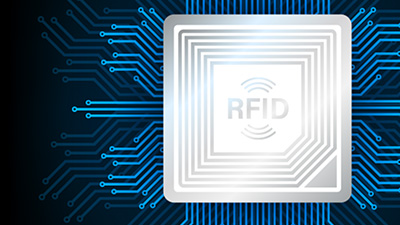
เนื่องจากจำนวนเจ้าของสัตว์เลี้ยงในเมืองเพิ่มขึ้นอย่างต่อเนื่อง สัตว์เลี้ยงจึงไม่ได้เป็นเพียงแค่เพื่อนร่วมบ้านที่คอยเฝ้าบ้านอีกต่อไป แต่ได้กลายเป็นสมาชิกสำคัญของครอบครัว ไม่ว่าจะเป็นแมว สุนัข หรือสัตว์เลี้ยงแปลกใหม่ เจ้าของต่างต้องการให้การดูแลที่ปลอดภัยและเป็นมืออาชีพมากขึ้นแก่พวกมัน อย่างไรก็ตาม ปัญหาต่างๆ เช่น สัตว์เลี้ยงหาย ความยากลำบากในการยืนยันตัวตน บันทึกการฉีดวัคซีนไม่ครบถ้วน และการจัดการสถานที่รับฝากเลี้ยงที่ซับซ้อน ก็กลายเป็นความท้าทายทั่วไปสำหรับทั้งเจ้าของสัตว์เลี้ยงและอุตสาหกรรมสัตว์เลี้ยงเช่นกัน
ด้วยเหตุนี้ เทคโนโลยี RFID (Radio Frequency Identification) จึงถูกนำมาใช้ในการจัดการสัตว์เลี้ยงมากขึ้นเรื่อยๆ โดยการบูรณาการไมโครชิปอิเล็กทรอนิกส์ อุปกรณ์ระบุตัวตนอัจฉริยะ และแพลตฟอร์มข้อมูลดิจิทัล เทคโนโลยี RFID ไม่เพียงแต่ให้เอกลักษณ์เฉพาะตัวแก่สัตว์เลี้ยงเท่านั้น แต่ยังมีบทบาทสำคัญในการค้นหาสัตว์เลี้ยงที่หายไป การจัดการด้านการแพทย์ บริการรับฝากเลี้ยง และอีกหลายด้าน ทำให้การจัดการสัตว์เลี้ยงปลอดภัย ชาญฉลาด และมีประสิทธิภาพมากขึ้น
RFID (Radio Frequency Identification) คือเทคโนโลยีที่ใช้สัญญาณวิทยุในการระบุวัตถุและเก็บข้อมูลที่เกี่ยวข้องโดยอัตโนมัติ เมื่อเปรียบเทียบกับรหัส QR หรือป้ายกระดาษแบบดั้งเดิม RFID มีข้อดีหลายประการ เช่น การระบุตัวตนแบบไม่ต้องสัมผัส ความเร็วในการอ่านที่รวดเร็ว การจัดเก็บข้อมูลที่อัปเดตได้ และความทนทานที่มากกว่า
ในอุตสาหกรรมสัตว์เลี้ยง เทคโนโลยี RFID นิยมใช้ในรูปแบบของ “ไมโครชิปสำหรับสัตว์เลี้ยง” ชิปเหล่านี้มีขนาดเล็กมาก โดยปกติจะมีขนาดประมาณเมล็ดข้าว และสามารถฝังไว้ใต้ผิวหนังของสัตว์เลี้ยงได้โดยใช้เครื่องมือฉีดเฉพาะ ชิปแต่ละตัวจะมีรหัสประจำตัวที่ไม่ซ้ำกันทั่วโลก ซึ่งทำหน้าที่เสมือน “บัตรประจำตัวอิเล็กทรอนิกส์” ของสัตว์เลี้ยง
เมื่อสัตว์เลี้ยงเดินผ่านเครื่องอ่าน RFID ระบบจะสามารถดึงข้อมูลจากชิปและเชื่อมต่อกับโปรไฟล์ของสัตว์เลี้ยงได้ ซึ่งรวมถึงข้อมูลดังต่อไปนี้:
ชื่อเล่น
สายพันธุ์และอายุ
ข้อมูลติดต่อเจ้าของ
บันทึกการฉีดวัคซีน
ประวัติทางการแพทย์
รายละเอียดการลงทะเบียน
สถานะการทำหมันหรือการผ่าตัดทำหมัน
ระบบการจัดการข้อมูลประจำตัวดิจิทัลนี้ช่วยเพิ่มประสิทธิภาพในการจัดการสัตว์เลี้ยงได้อย่างมาก
วิธีการระบุตัวตนสัตว์เลี้ยงแบบดั้งเดิมมักใช้ปลอกคอ ป้ายชื่อ หรือใบรับรองกระดาษ แต่วิธีการเหล่านี้มีข้อจำกัดที่เห็นได้ชัด:
ปลอกคออาจหลุดได้
ป้ายอาจชำรุดได้
ข้อมูลอาจสูญหายได้
การตรวจสอบด้วยตนเองนั้นไม่มีประสิทธิภาพ
ด้วยไมโครชิป RFID ที่ฝังอยู่ใต้ผิวหนัง ข้อมูลระบุตัวตนจึงไม่สามารถสูญหายหรือถูกดัดแปลงได้ง่าย
ตัวอย่างเช่น ในคลินิกสัตวแพทย์ แพทย์สามารถสแกนชิป RFID เพื่อเข้าถึงข้อมูลทางการแพทย์ทั้งหมดของสัตว์เลี้ยงได้ทันที ซึ่งจะช่วยลดความเสี่ยงของการฉีดวัคซีนซ้ำหรือข้อผิดพลาดในการให้ยาที่เกิดจากข้อมูลที่ไม่ครบถ้วน
สำหรับบ้านที่มีสัตว์เลี้ยงหลายตัว เทคโนโลยี RFID ยังช่วยป้องกันความสับสนเรื่องตัวตน โดยเฉพาะอย่างยิ่งสำหรับสัตว์เลี้ยงที่มีลักษณะคล้ายคลึงกัน ชิป RFID ช่วยให้สามารถระบุตัวตนได้อย่างรวดเร็วและแม่นยำในระหว่างการฝากเลี้ยง การดูแลขน หรือการรักษาพยาบาล
ปัจจุบัน หลายประเทศได้นำระบบลงทะเบียนสัตว์เลี้ยงอิเล็กทรอนิกส์มาใช้แล้ว หมายเลขไมโครชิปสามารถเชื่อมต่อกับฐานข้อมูลส่วนกลาง ทำให้เจ้าหน้าที่สามารถติดต่อเจ้าของได้อย่างรวดเร็วหากสัตว์เลี้ยงหายไป
หนึ่งในความกังวลที่ใหญ่ที่สุดของเจ้าของสัตว์เลี้ยงคือการสูญเสียสัตว์เลี้ยงของตน
แมวอาจหนีออกไปเพราะตกใจ สุนัขอาจหลุดระหว่างเดินเล่น และสัตว์เลี้ยงอาจหนีออกไปโดยไม่ได้ตั้งใจระหว่างการขนส่ง เมื่อสัตว์เลี้ยงหายไปแล้ว การพึ่งพาเพียงแค่โปสเตอร์หรือโพสต์ในโซเชียลมีเดีย มักส่งผลให้มีอัตราการตามหาสัตว์เลี้ยงกลับคืนมาต่ำ
เทคโนโลยี RFID นำเสนอวิธีการใหม่ในการค้นหาสัตว์เลี้ยงที่หายไป
หากสัตว์เลี้ยงที่หายไปถูกพบโดยผู้ใจดี คลินิกสัตวแพทย์ หรือองค์กรช่วยเหลือสัตว์ ชิปที่ติดอยู่สามารถสแกนเพื่อดึงข้อมูลติดต่อของเจ้าของได้ทันที
เมื่อเทียบกับแท็กแบบดั้งเดิมที่อาจซีดจางหรือเสียหายได้ ชิป RFID มีความน่าเชื่อถือและทนทานกว่ามาก
หลายเมืองกำลังส่งเสริมระบบลงทะเบียนสัตว์เลี้ยงอิเล็กทรอนิกส์ ข้อมูลจากไมโครชิปของสัตว์เลี้ยงสามารถเชื่อมต่อกับแพลตฟอร์มส่วนกลางเพื่อวัตถุประสงค์ต่างๆ ดังนี้:
การลงทะเบียนสัตว์เลี้ยง
การจัดการการฉีดวัคซีน
รายงานสัตว์เลี้ยงหาย
การตรวจสอบเจ้าของ
การแบ่งปันข้อมูลที่พักพิง
หมายความว่าเมื่อใดก็ตามที่องค์กรที่เชื่อมต่ออยู่ทำการสแกนสัตว์เลี้ยง ก็จะมีโอกาสที่การจับคู่ตัวตนจะสำเร็จ
แม้ว่าเทคโนโลยี RFID มาตรฐานจะไม่สามารถระบุตำแหน่ง GPS แบบเรียลไทม์ได้ แต่ก็สามารถทำงานร่วมกับปลอกคออัจฉริยะ อุปกรณ์บลูทูธ และระบบการเข้าถึงชุมชนได้
ตัวอย่างเช่น:
ระบบควบคุมการเข้าออกของสัตว์เลี้ยงอัตโนมัติในชุมชนที่พักอาศัย
การติดตามกิจกรรมของสัตว์เลี้ยง
ระบบเช็คอินอัตโนมัติที่ร้านขายสัตว์เลี้ยง
ระบบอนุญาตประตูสัตว์เลี้ยงอัจฉริยะ
โซลูชันขั้นสูงบางอย่างยังผสานรวมเทคโนโลยี GPS และ RFID เข้าด้วยกัน เพื่อให้สามารถระบุตัวตนและติดตามตำแหน่งได้พร้อมกัน
อุตสาหกรรมสัตวแพทย์ก็กำลังเปลี่ยนแปลงสู่ระบบดิจิทัลอย่างรวดเร็วเช่นกัน
ในอดีต คลินิกสัตวแพทย์พึ่งพาระบบการลงทะเบียนแบบใช้แรงงานคนเป็นหลัก ซึ่งมักนำไปสู่ปัญหาดังต่อไปนี้:
การจัดเก็บเวชระเบียนเป็นเรื่องยาก
การป้อนข้อมูลซ้ำ
ประวัติทางการแพทย์ไม่ครบถ้วน
อาจต้องรอคิวนานในช่วงเวลาที่มีลูกค้าเยอะ
หลังจากนำเทคโนโลยี RFID มาใช้ คลินิกต่างๆ จะสามารถดำเนินการได้อย่างชาญฉลาดและมีประสิทธิภาพมากยิ่งขึ้น
เพียงแค่สแกนชิป สัตวแพทย์ก็สามารถเข้าถึงข้อมูลสัตว์เลี้ยงได้ทันที ช่วยเพิ่มประสิทธิภาพในการให้คำปรึกษา
ระบบสามารถบันทึกข้อมูลโดยอัตโนมัติได้ดังนี้:
ตารางการฉีดวัคซีน
วันที่ทำการถ่ายพยาธิ
ประวัติการใช้ยา
บันทึกการผ่าตัด
วิธีนี้ช่วยหลีกเลี่ยงการพลาดการรักษาและการทำหัตถการซ้ำซ้อน
โรงพยาบาลสัตว์และสถานรับฝากเลี้ยงสัตว์สามารถใช้สายรัดข้อมือ RFID ป้ายติดกรง หรือระบบติดตามเพื่อตรวจสอบตำแหน่งและสภาพของสัตว์เลี้ยง ลดข้อผิดพลาดในการบริหารจัดการ
เมื่อชุมชนอัจฉริยะพัฒนาอย่างต่อเนื่อง การจัดการสัตว์เลี้ยงก็ยิ่งชาญฉลาดขึ้นเรื่อยๆ
ชุมชนที่อยู่อาศัยสมัยใหม่บางแห่งได้เริ่มนำแนวทางเหล่านี้มาใช้แล้ว:
ระบบควบคุมการเข้าออกสัตว์เลี้ยงด้วย RFID
ระบบจดจำลิฟต์สำหรับสัตว์เลี้ยง
การจัดการพื้นที่เดินเล่นสุนัขอย่างชาญฉลาด
ระบบติดตามกิจกรรมสัตว์เลี้ยง
ตัวอย่างเช่น เครื่องอ่าน RFID ที่ติดตั้งไว้ตามทางเข้าชุมชน สามารถตรวจสอบโดยอัตโนมัติว่าสัตว์เลี้ยงที่ลงทะเบียนไว้ได้รับการฉีดวัคซีนครบตามกำหนดหรือไม่ ซึ่งจะช่วยปรับปรุงการจัดการด้านสาธารณสุขให้ดียิ่งขึ้น
สำหรับบริษัทบริหารจัดการอสังหาริมทรัพย์ วิธีนี้ยังช่วยลดปัญหาที่เกี่ยวข้องกับสัตว์จรจัดและข้อพิพาทที่เกี่ยวกับสัตว์เลี้ยงอีกด้วย
เทคโนโลยี RFID ไม่เพียงแต่กำลังเปลี่ยนแปลงการจัดการสัตว์เลี้ยงเท่านั้น แต่ยังผลักดันการยกระดับสู่ระบบดิจิทัลของอุตสาหกรรมสัตว์เลี้ยงทั้งหมดอีกด้วย
ปัจจุบัน เทคโนโลยี RFID กำลังถูกนำไปประยุกต์ใช้ในด้านต่างๆ อย่างค่อยเป็นค่อยไป ได้แก่:
บริษัทประกันภัยสามารถตรวจสอบตัวตนของสัตว์เลี้ยงผ่านชิป RFID ซึ่งช่วยลดความเสี่ยงจากการฉ้อโกงได้
เทคโนโลยี RFID สามารถใช้สำหรับการเช็คอินอัตโนมัติและการตรวจสอบตัวตนในระหว่างงานกิจกรรมเกี่ยวกับสัตว์เลี้ยงได้
ผู้เพาะพันธุ์สามารถติดตามสายเลือด บันทึกการฉีดวัคซีน และข้อมูลการผสมพันธุ์ได้อย่างมีประสิทธิภาพมากขึ้น
อุปกรณ์ให้อาหารอัจฉริยะ ประตูสำหรับสัตว์เลี้ยง และเครื่องจ่ายน้ำอัตโนมัติบางรุ่นรองรับการจดจำ RFID อยู่แล้ว เพื่อการจัดการแบบเฉพาะบุคคล
ตัวอย่างเช่น ในบ้านที่มีแมวหลายตัว สามารถกำหนดแผนการให้อาหารที่แตกต่างกันได้ตามรหัส RFID ของแมวแต่ละตัว
เจ้าของสัตว์เลี้ยงหลายคนกังวลว่าการฝังไมโครชิปอาจเป็นอันตรายต่อสัตว์เลี้ยงของตนหรือไม่
ที่จริงแล้ว เทคโนโลยีชิป RFID สำหรับสัตว์เลี้ยงนั้นมีความก้าวหน้ามากแล้ว ชิปเหล่านี้มักถูกปิดผนึกด้วยวัสดุที่เข้ากันได้กับร่างกาย และกระบวนการฝังชิปก็คล้ายกับการฉีดยาแบบปกติและใช้เวลาเพียงไม่กี่วินาที
ชิปนี้ไม่จำเป็นต้องใช้แบตเตอรี่และไม่ส่งสัญญาณอย่างต่อเนื่อง มันจะทำงานก็ต่อเมื่อถูกสแกนโดยเครื่องอ่านเท่านั้น ทำให้มีความปลอดภัยสูง
ทั่วโลก สัตว์เลี้ยงหลายล้านตัวได้รับการฝังไมโครชิปแล้ว ทำให้ RFID กลายเป็นมาตรฐานที่สำคัญสำหรับการระบุตัวตนและการจัดการสัตว์เลี้ยง
แน่นอนว่า การฝังตัวอ่อนควรทำโดยสัตวแพทย์ผู้เชี่ยวชาญหรือสถาบันที่ได้รับการรับรองเท่านั้น
สำหรับเจ้าของสัตว์เลี้ยงแล้ว ความสบายใจคือสิ่งสำคัญที่สุดเสมอ
แม้ว่าเทคโนโลยี RFID จะไม่สามารถป้องกันการสูญหายของสัตว์เลี้ยงได้อย่างสมบูรณ์ แต่ก็ช่วยเพิ่มโอกาสในการค้นหาสัตว์เลี้ยงที่หายไปได้อย่างมาก และช่วยให้การจัดการข้อมูลประจำตัวมีความน่าเชื่อถือยิ่งขึ้น
ตั้งแต่การลงทะเบียนสัตว์เลี้ยงและการดูแลทางการแพทย์ ไปจนถึงการจัดการชุมชนอัจฉริยะและการบูรณาการอุปกรณ์อัจฉริยะ เทคโนโลยี RFID กำลังช่วยสร้างระบบนิเวศสัตว์เลี้ยงอัจฉริยะที่สมบูรณ์ยิ่งขึ้น
ในอนาคต เมื่อ IoT ปัญญาประดิษฐ์ และเทคโนโลยีสวมใส่ได้พัฒนาอย่างต่อเนื่อง RFID จะถูกผสานรวมเข้ากับเทคโนโลยีขั้นสูงอย่างลึกซึ้งยิ่งขึ้น เปลี่ยนแปลงการจัดการสัตว์เลี้ยงจากแนวทางปฏิบัติที่อาศัยประสบการณ์ไปสู่ระบบดิจิทัลอย่างสมบูรณ์
ท้ายที่สุดแล้วจะบรรลุเป้าหมายดังนี้:
“สัตว์เลี้ยงทุกตัวมีเอกลักษณ์เฉพาะตัว ข้อมูลทุกอย่างสามารถตรวจสอบย้อนกลับได้ สัตว์เลี้ยงที่หายไปสามารถตามหาเจอได้ และการดูแลสัตว์เลี้ยงก็ปลอดภัยและชาญฉลาดขึ้น”

ข้อมูลโดยละเอียดและไฟล์ PDF

อีเมลติดต่อฝ่ายสนับสนุน

คำแนะนำทางเทคนิคจากผู้เชี่ยวชาญ

อีเมลติดต่อฝ่ายสนับสนุน


วาส

ลิงก์

ยูทูบ

เฟซบุ๊ก
ฝากข้อความไว้
สแกนเพื่อแชร์ไปยัง WeChat/WhatsApp :



 IPv6 รองรับเครือข่าย